Oct 2024
Designing a finance tool suite for DAOs
While I was leading Parcel’s (parcel.money) design team, we were riddled with user suggestions and features on our roadmap that were important but would become product/tech debt a few months down the line. We took a step back and built something from the ground up that helped users build healthier financial workflows.
The problem
Existing crypto payment tools, including Parcel at that time, were doubling down on a generic payment process that often required only a CSV of token amounts and wallet addresses. This approach broke down in practise as over-unification led to loss of specificity and control:
Payroll, expenses, and bills have fundamentally different structures.
Generic flows limited metadata and access control.
Financial data became harder to trust and act on.
Approach
Separated workflows by intent and designed for deep, context-specific metadata
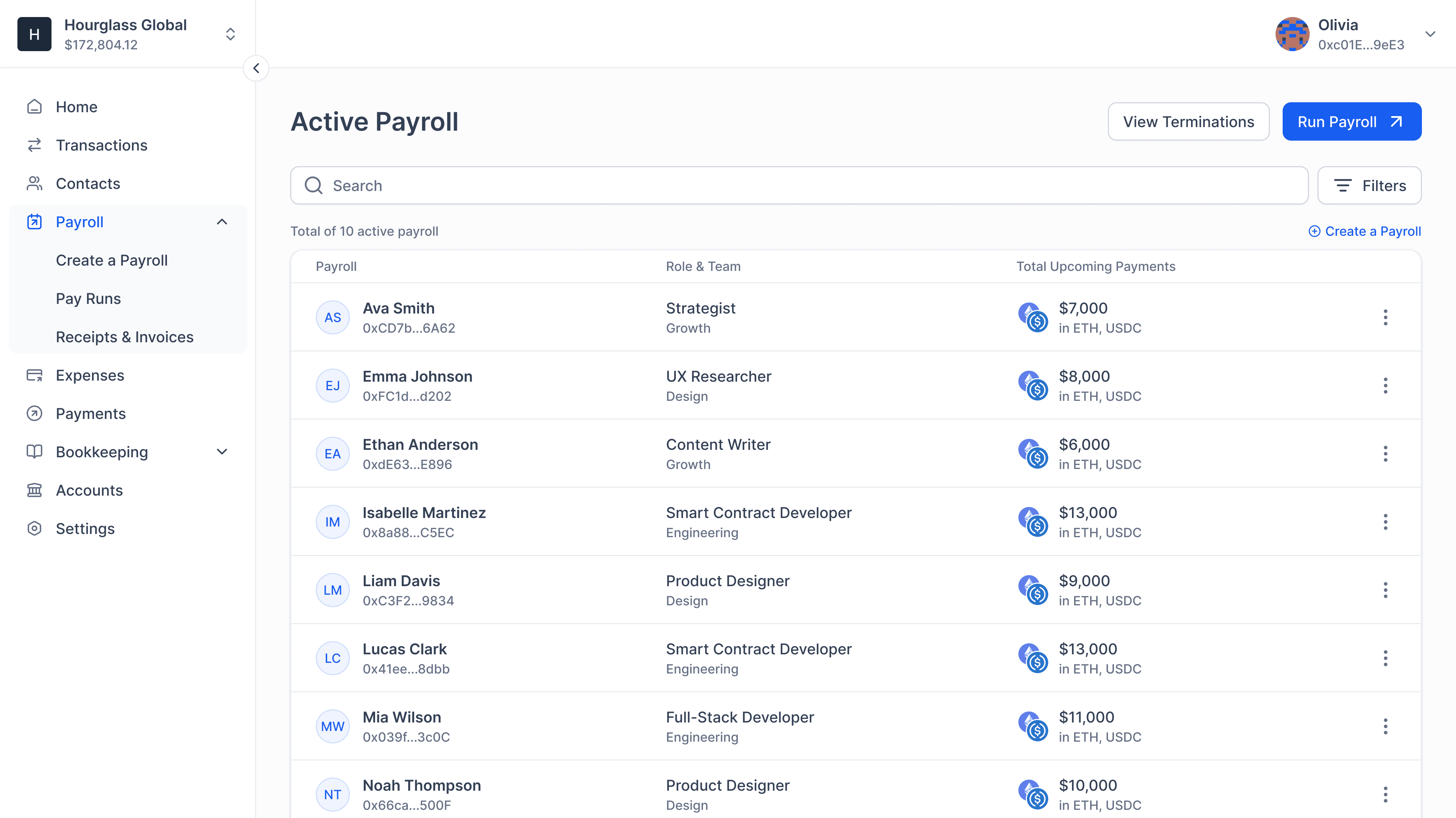
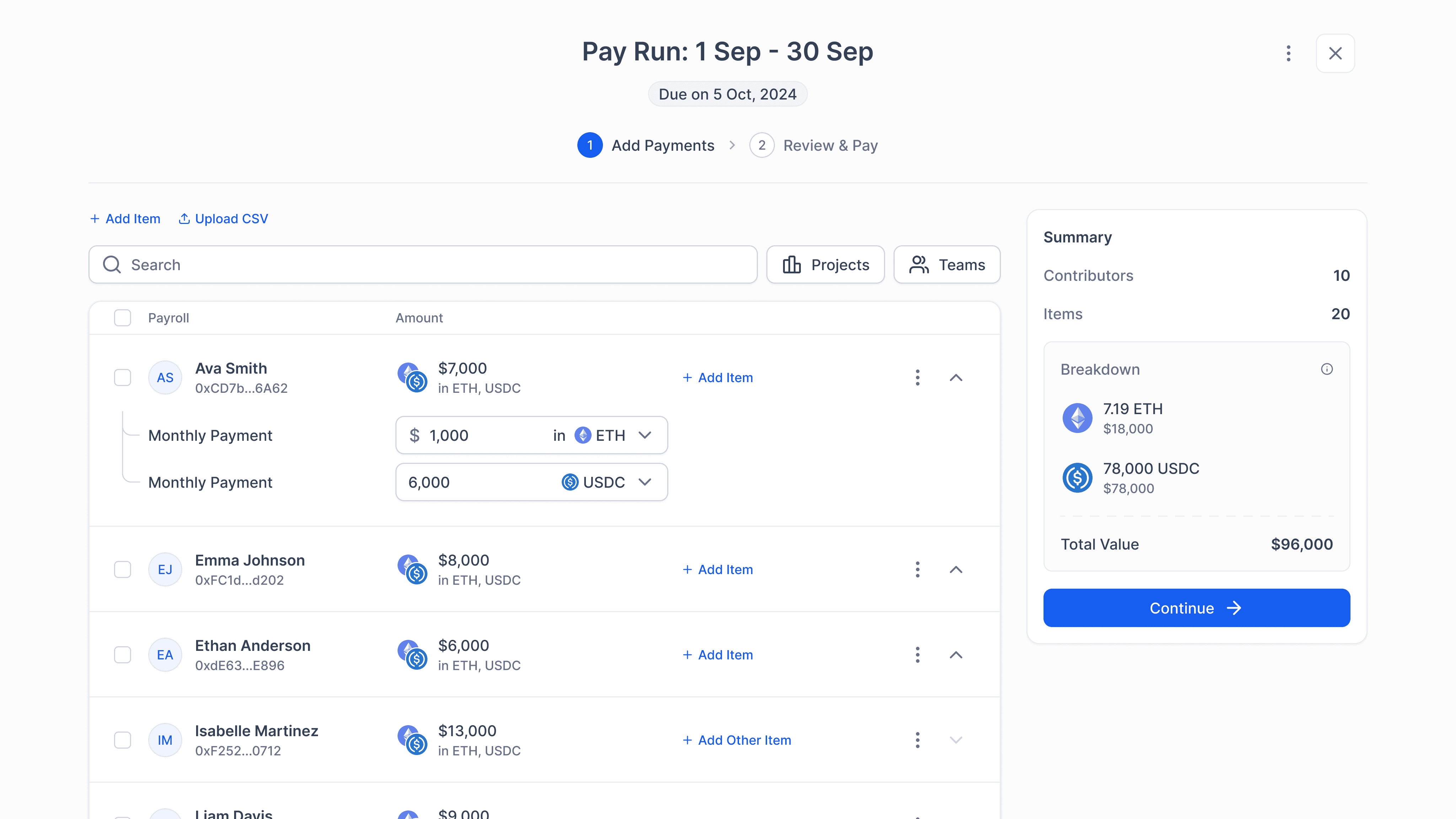
A flexible payroll system that supports multi-token payouts, flexible pay cycles, contributor access & more.
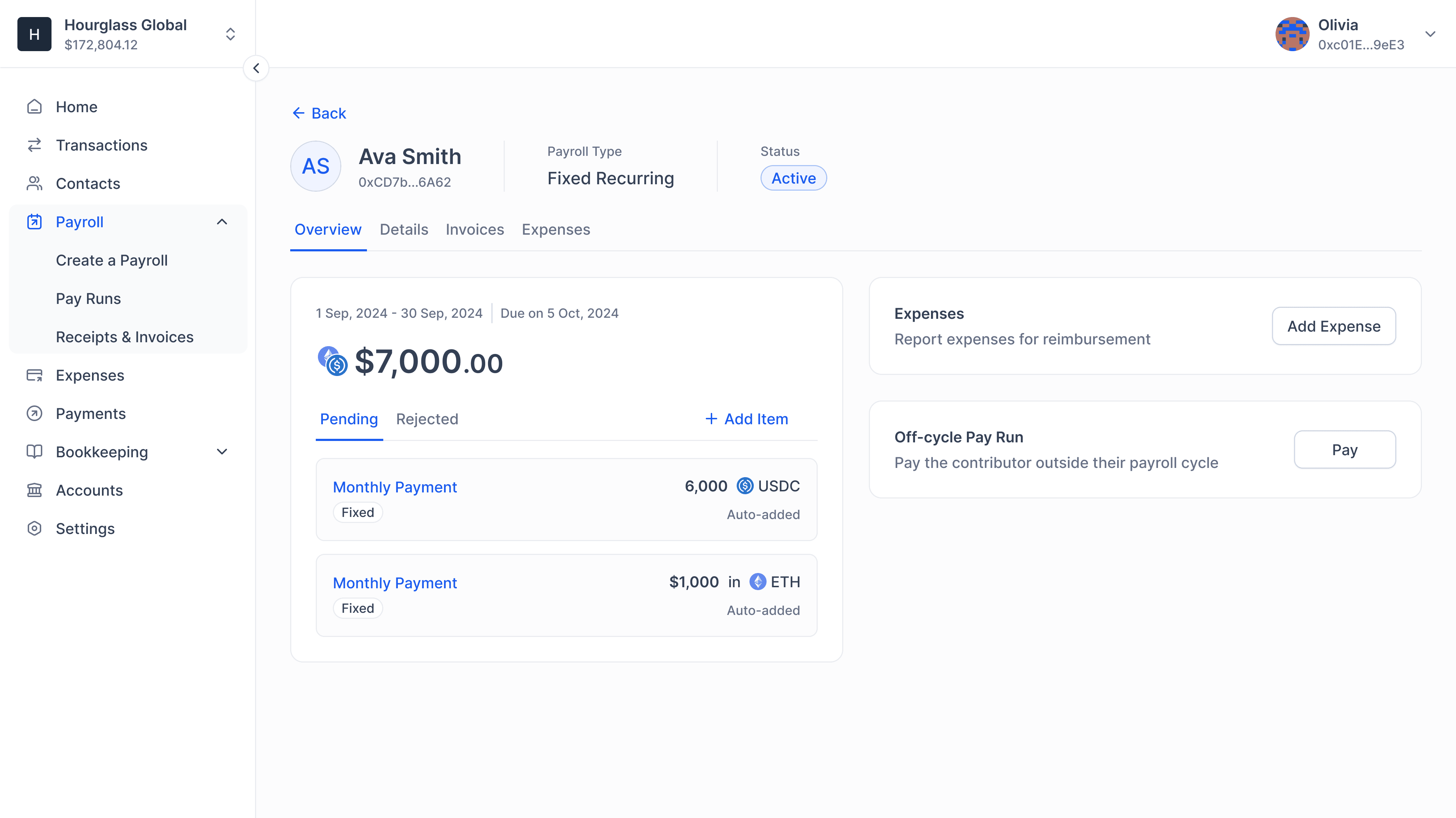
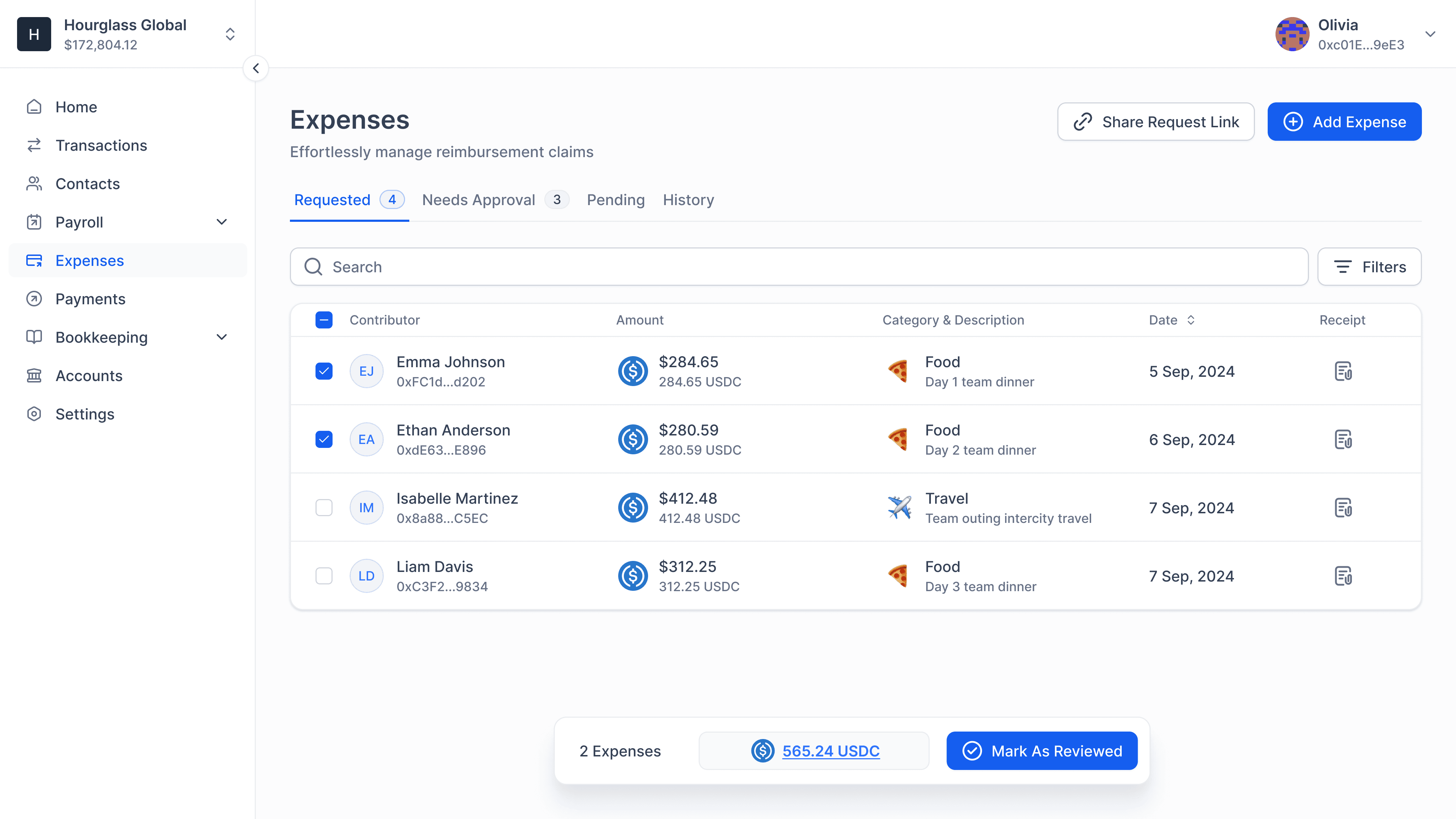
An expense management module with support for contributor access.
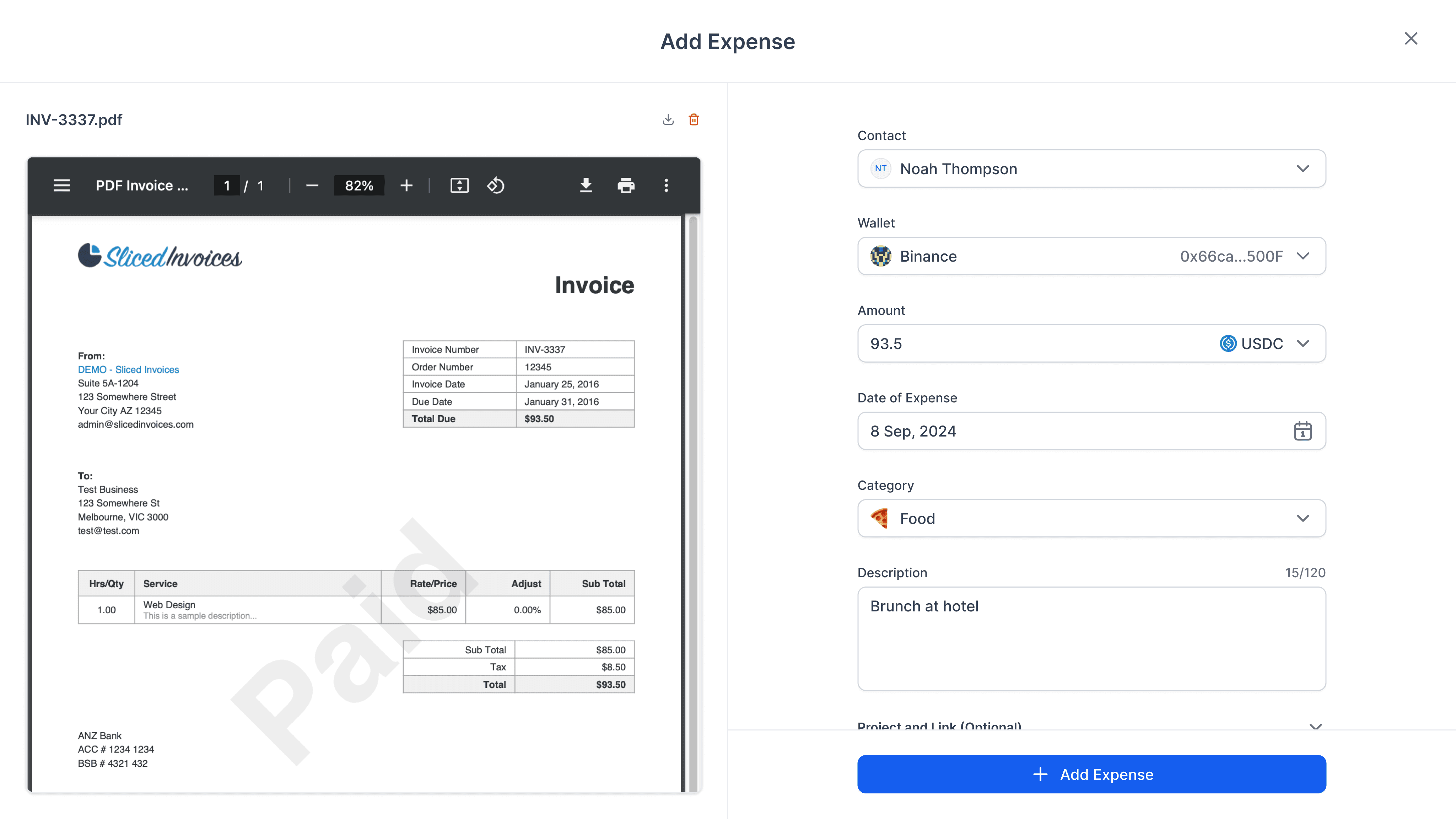
A seamless bill payments system designed for speed.
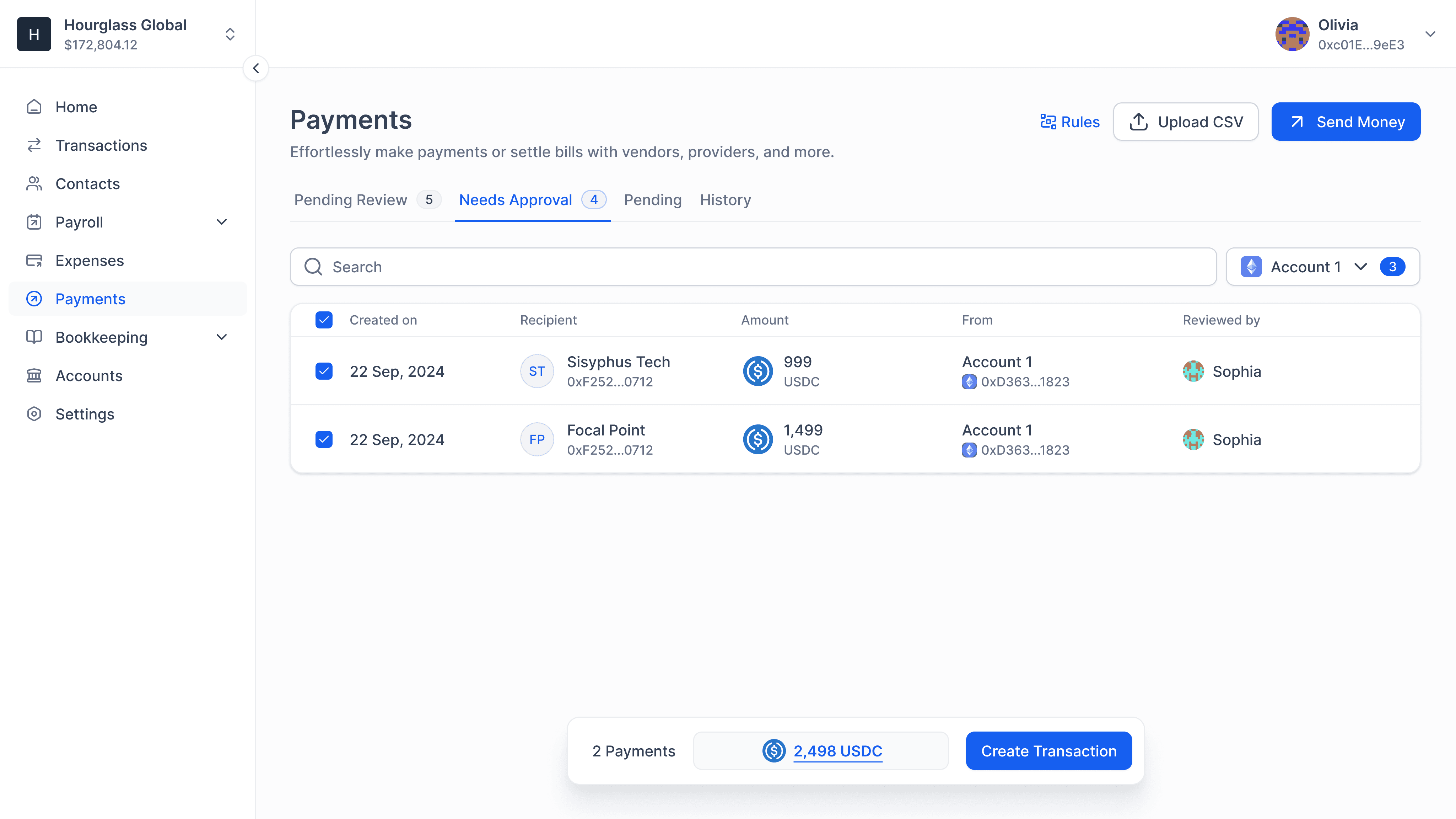
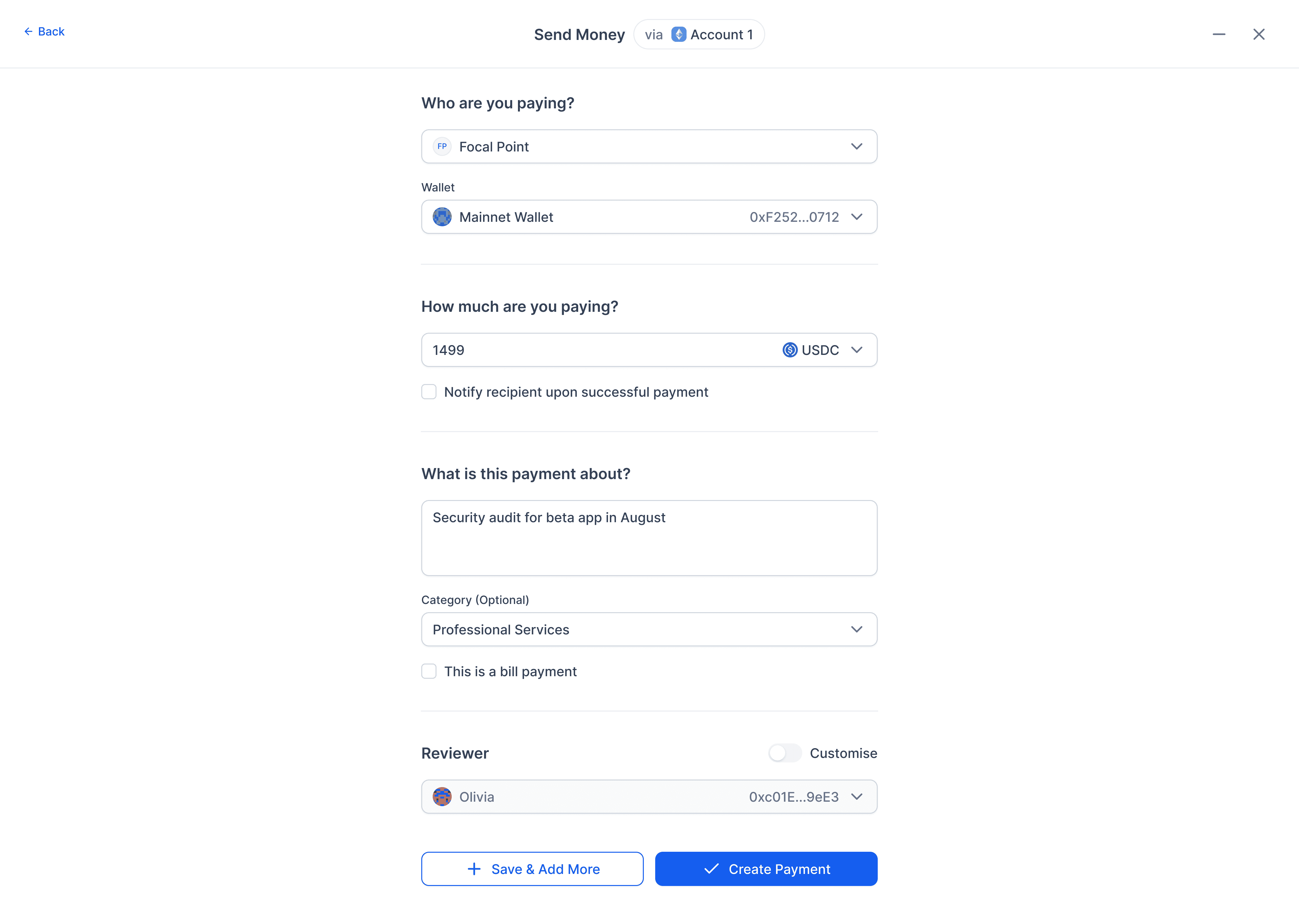
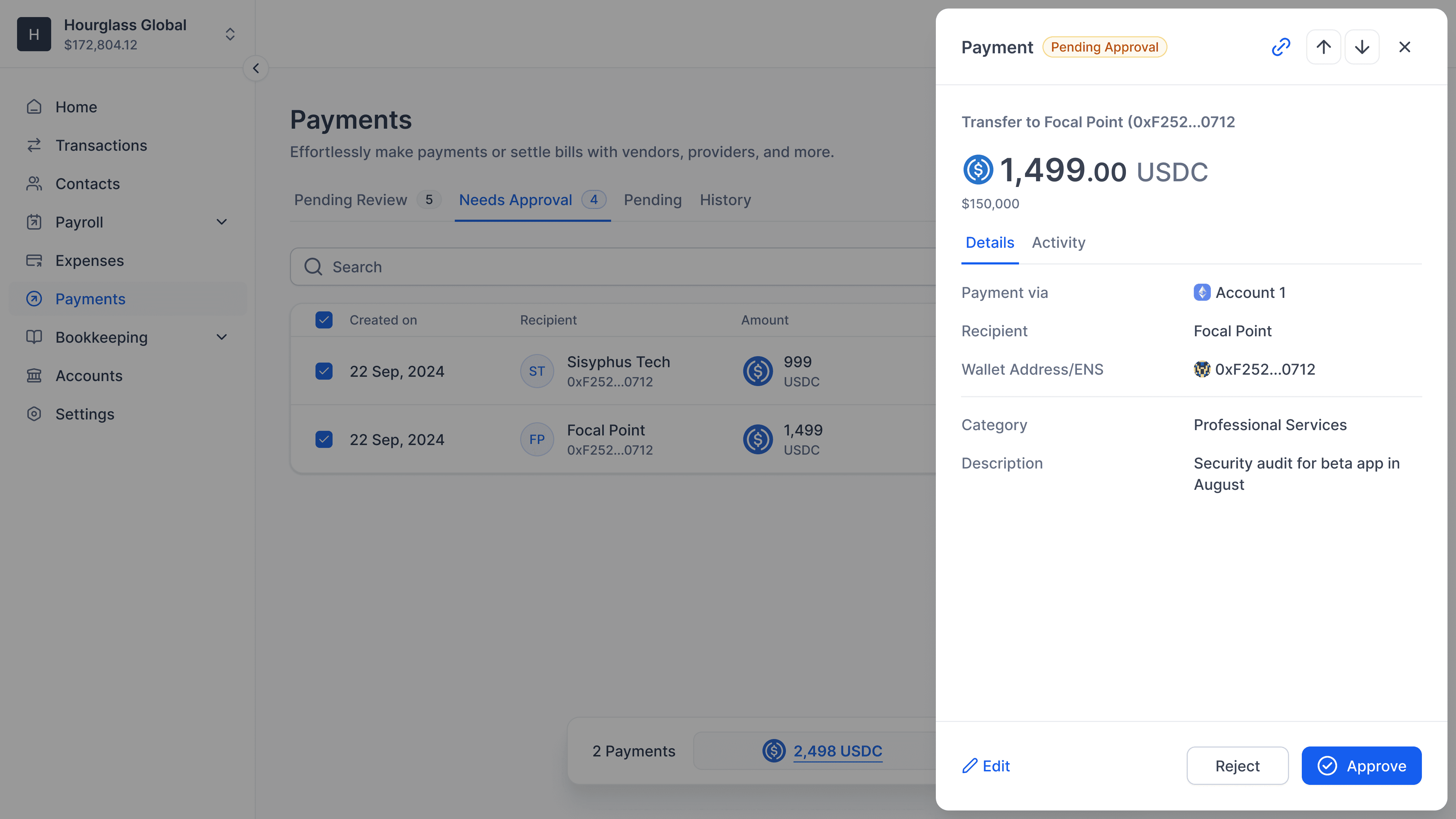
Maintained a unified core experience with granular access control
After the operators have reviewed payroll, expenses, and bill payments details, all transactions are queued up in one place ready for execution.
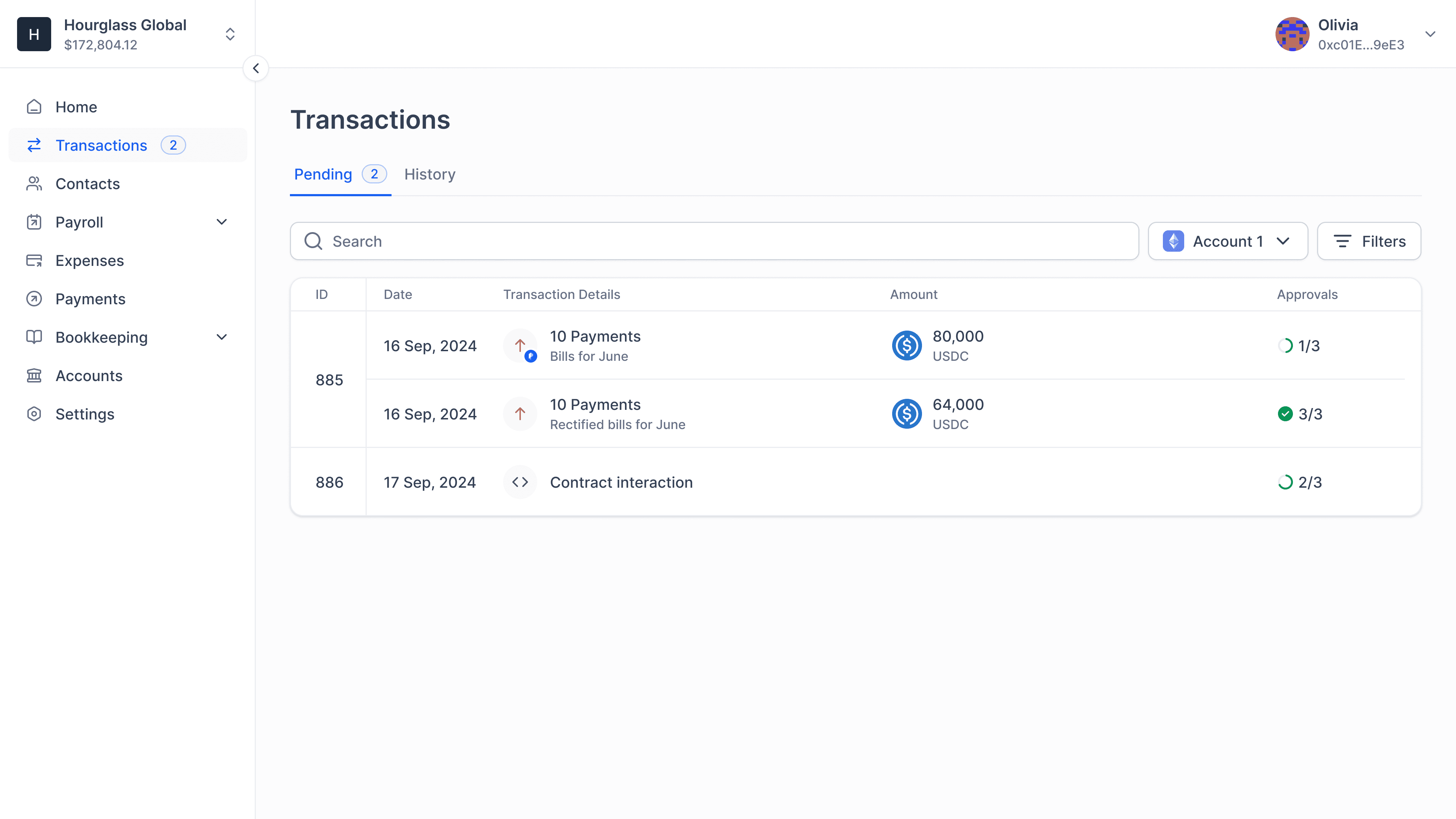
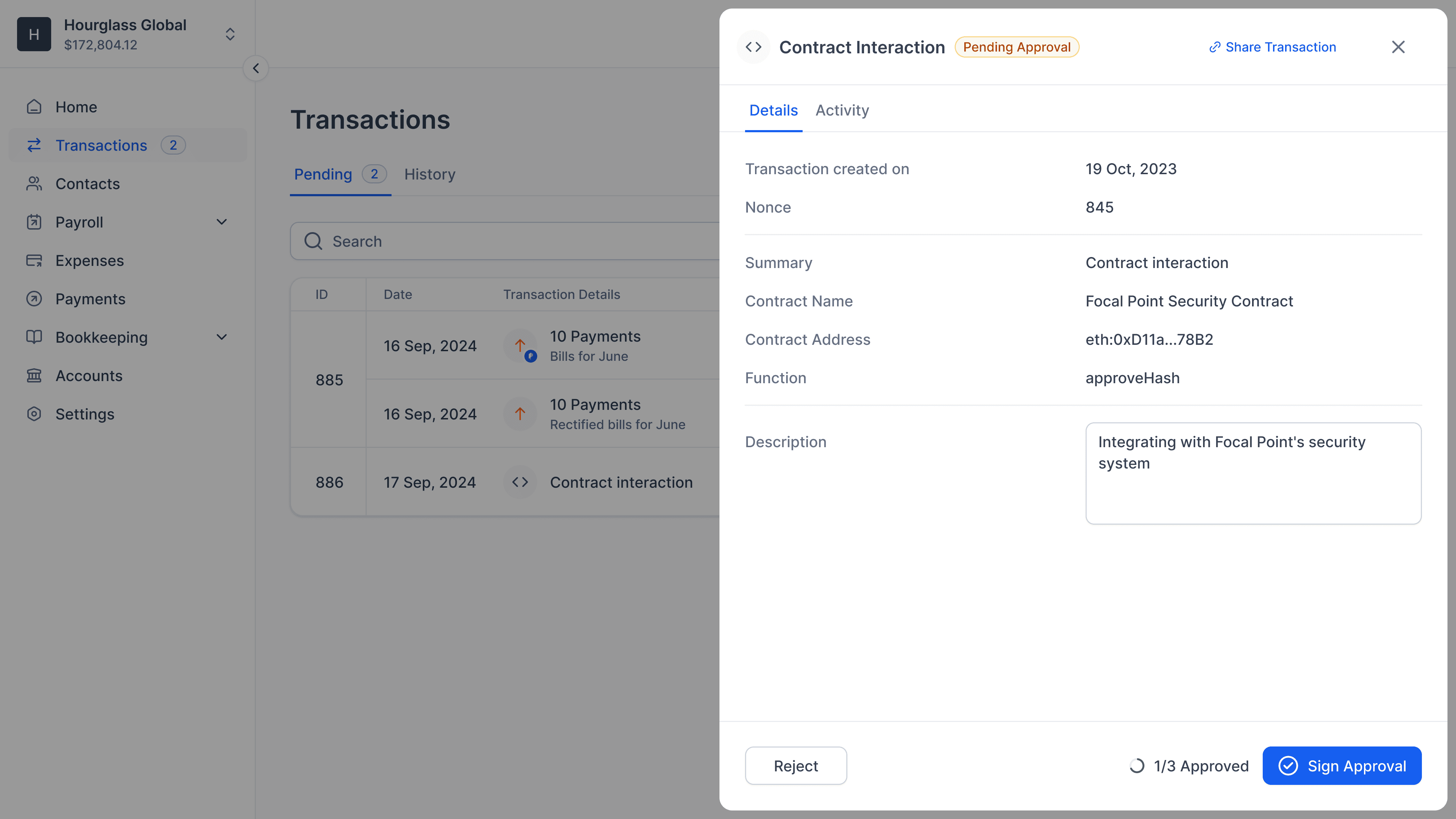
Parcel was built on top of SAFE, so having queued transactions was inevitable.
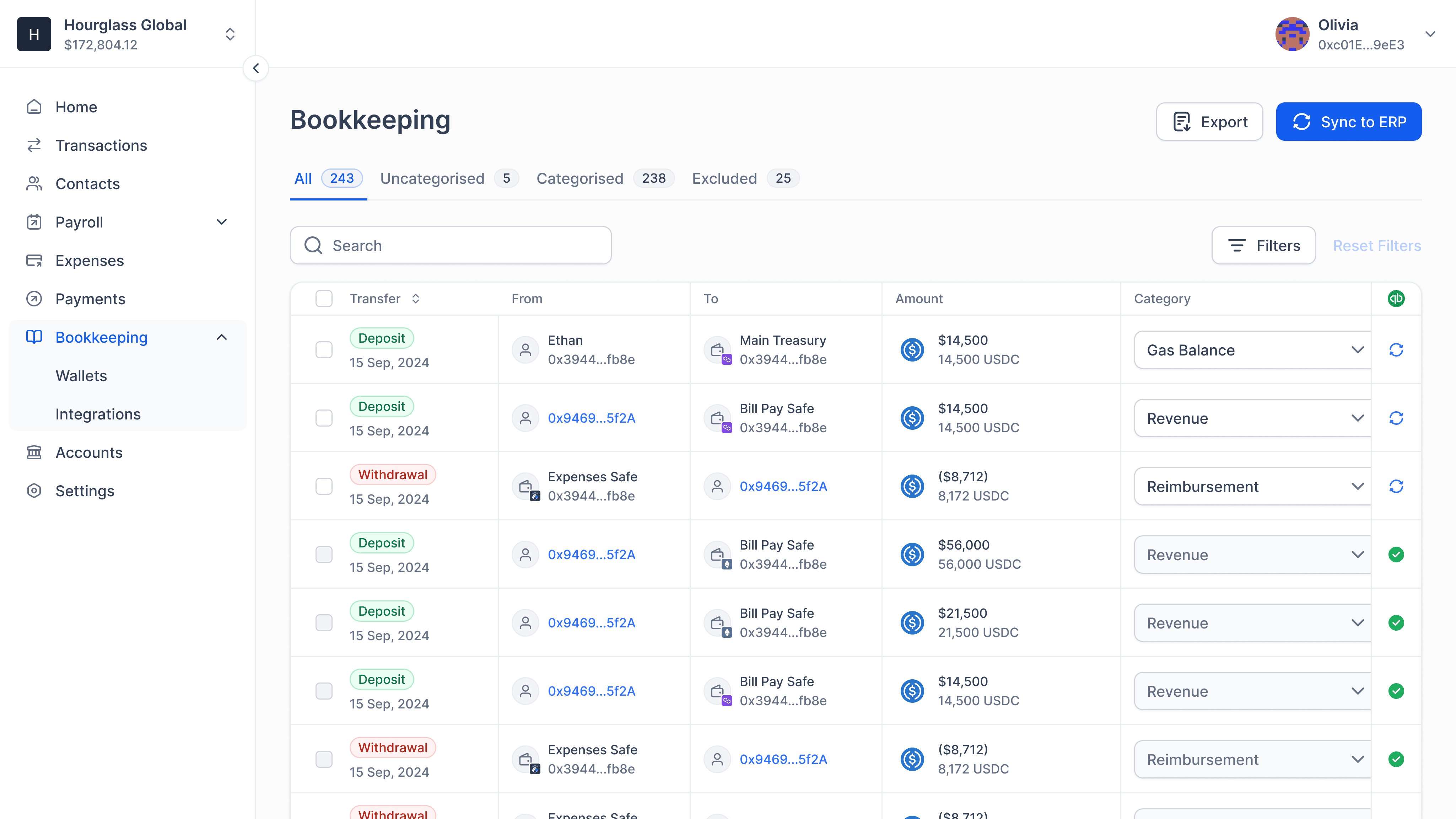
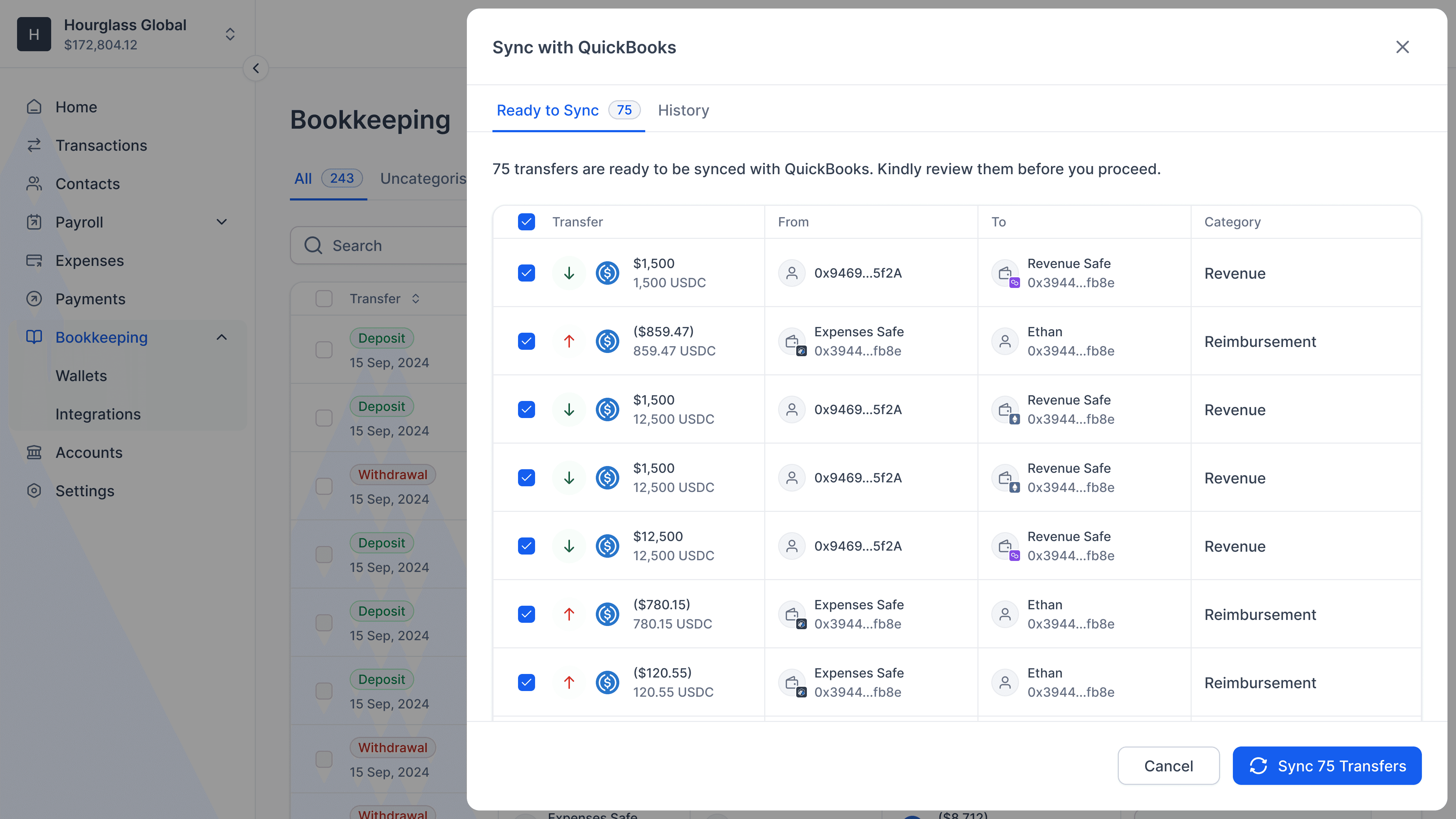
Made bookkeeping the source of truth
Clear traceability across inflows and outflows with reporting and integration with QuickBooks.
Outcome
Trying to do the simple things and taking user feedback at face value is a slippery slope. It only leads to product/tech debt that grows larger than the user problems at hand. Thinking and building in systems is still the only way to design experiences on a shared foundation.
Improved data accuracy and financial visibility across workflows.
Reduced reliance on external tools for tracking and reconciliation.
Reached $50K ARR in a category dominated by free tools.
Processed $100M+ in transactions while still in beta.
Great things are crafted when you zoom in
While building in systems, we zoomed out and reused components/patterns as much as possible, but we also zoomed in to see how users experienced what we were building. If we believed that the industry standard was not the right thing to do, we recreated it until we believed it was. It’s details like these that compound into the bigger picture.